


Safety: Only drink Zamzam from a trusted source; do not treat it as a reason to skip medicine or tests.
In this article
In short
- 01Zamzam’s blessing is established in authentic hadith: “It is blessed; it is food that satisfies.”
- 02For ruqyah it is the best water to recite over and drink, and those who cannot get it lose nothing by using ordinary recited water.
- 03Only drink Zamzam whose source you trust, and never pay a premium for Zamzam claimed to be “charged” or “treated” by a raqi.
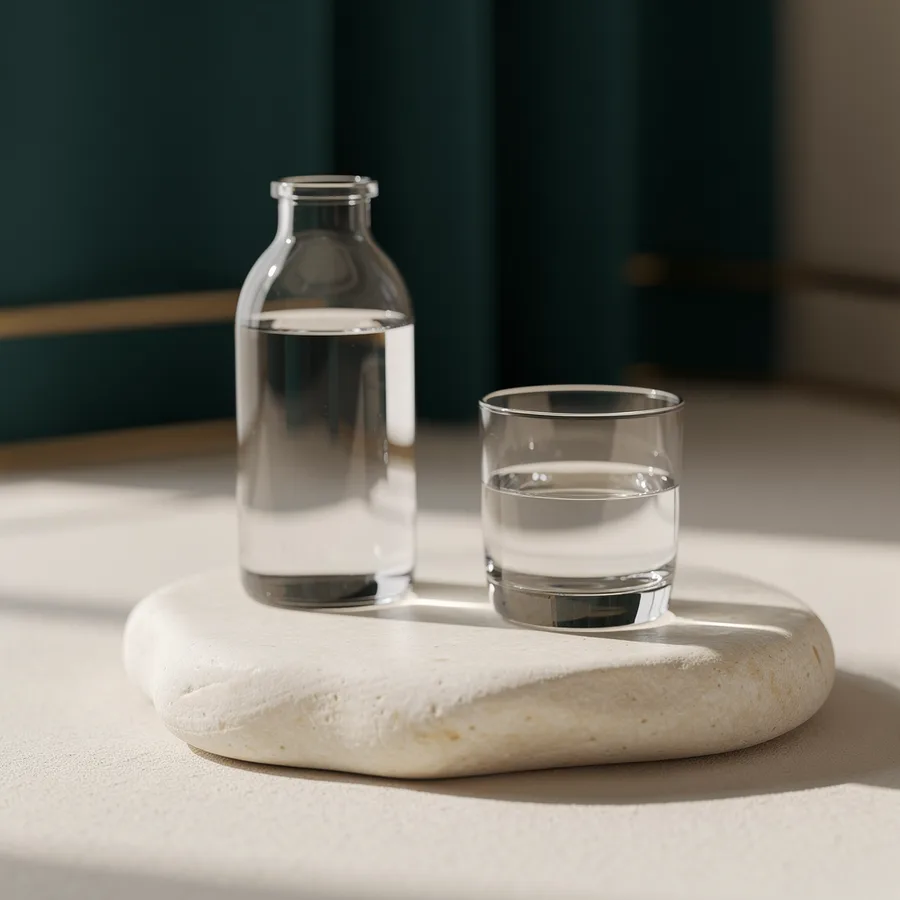
Zamzam is the well Allah opened for Hājar and Ismā‘īl in Makkah, and it has never dried since. Its blessing is established in authentic hadith. In Sahih Muslim, the Prophet ﷺ said of it to Abu Dharr, who had lived on nothing else for many days: “It is blessed; it is food that satisfies.” In other narrations of the same story, from al-Tayalisi and al-Bazzar, the words “and a cure for illness” are added, and the scholars generally accepted this wording.
The famous hadith “Zamzam water is for whatever it is drunk for” (recorded by Ibn Majah and Ahmad from Jabir) has a disputed chain. Ibn al-Qayyim and al-Albani considered it hasan; al-Nawawī and Ibn al-Jawzi considered it weak. Even those who weakened it accepted its meaning in practice, because of the authentic texts on Zamzam’s blessing and because the salaf drank it with intentions: Ibn ‘Abbas is reported to have asked Allah for beneficial knowledge, wide provision and cure from every disease when drinking it, and Ibn al-Qayyim mentioned drinking it for various needs and finding benefit.
For ruqyah, Zamzam is the best water to recite over and drink, the same practice as any recited water, with the added blessing of the well itself. It is not a requirement; those who cannot get it lose nothing by using ordinary water.
- 1
Get genuine Zamzam
Real Zamzam is drawn only in Makkah. Get it from Hajj and ‘Umrah pilgrims (each may bring back a sealed 5-litre bottle from Jeddah or Madinah airport), from the sealed bottles sold in the Haram area, or from an established supplier who can show a chain back to Saudi distribution. Be wary of unbranded jerry cans at high prices, “Zamzam” from bulk online sellers, and anyone claiming special healing versions. If in doubt, ordinary water recited over is better than fake Zamzam.
- 2
Face the qiblah and say Bismillāh
The Prophet ﷺ drank Zamzam standing, so both standing and sitting are fine. Say “Bismillāh”, and if you wish face the qiblah, as some of the salaf did.
- 3
Make your intention and du‘ā
Bring to mind exactly what you are drinking it for: cure from what you are suffering, protection from sihr and the evil eye, ease of your affair. Then ask Allah for it in your own words. You may use the du‘ā attributed to Ibn ‘Abbas: “O Allah, I ask You for beneficial knowledge, abundant provision, and cure from every disease.” Do not attribute this du‘ā to the Prophet ﷺ; it is a supplication of a Companion.
- 4
Recite over it if you are using it for ruqyah
Treat it as recited water: recite al-Fātiḥah, Āyat al-Kursī, the last two verses of al-Baqarah, the three Quls and the verses of sihr, blow lightly, and close the bottle.
- 5
Drink your fill, and use it on the body
It is from the Sunnah to drink deeply of Zamzam. Drink a glass morning and evening, and pour a little over the head or the site of pain. Some also mix a small amount into a larger amount of ordinary recited water to make it go further; the recitation is the main thing, so this is fine.
- 6
Store it well
Zamzam keeps for a long time in a sealed, clean container out of the sun. Do not leave it uncovered or in a hot car.
What to recite
The ruqyah texts
The 47 Quranic passages and the Prophetic du‘ās, with Arabic, transliteration and translation. Open them here without leaving this page, or open the PDF to keep on your phone or print.
How often / how long
Drink it daily while it lasts, particularly during a ruqyah plan. There is no fixed number of days. When it runs out, continue with ordinary recited water — the ruqyah is not interrupted.
Sources
- Sahih Muslim 2473 (Abu Dharr: ‘It is blessed; it is food that satisfies’)
- Musnad al-Tayalisi and al-Bazzar (the addition ‘and a cure for illness’ in the hadith of Abu Dharr)
- Sunan Ibn Majah 3062 and Musnad Ahmad (‘Zamzam water is for whatever it is drunk for’) — graded hasan by Ibn al-Qayyim and al-Albani; weak by others such as al-Nawawi and Ibn al-Jawzi
- Sahih al-Bukhari (Ibn ‘Abbas: the Prophet ﷺ drank Zamzam standing)
- Ibn al-Qayyim, Zād al-Ma‘ād, on Zamzam

Sidr (lote-tree leaf) bath
The well-known seven-leaf sidr wash for sihr, transmitted from Wahb ibn Munabbih and recorded by Ibn Kathir, with its evidence graded honestly.
Read