



Practise
Youcandoruqyahonyourself.Hereishow.
Never done it before? Start with the routine and go step by step. It needs no sheikh, no special place and no cost — only sincerity, the Quran, and consistency.
New to ruqyah? Read this first
What ruqyah is
Reciting the Quran and the du‘ās taught by the Prophet ﷺ over yourself or someone ill, asking Allah for cure and protection. That is all it is.
What it is not
Not magic, not a ritual, not a secret. No amulets, no symbols, no jinn “helpers”, no special person needed. If someone offers those, walk away.
What you need
Nothing but yourself: wudū’, a quiet place, and the texts (open them on the Verses & du‘ās page, or keep the PDF on your phone). Water and olive oil are optional extras.
47
Quranic passages
234
verses
6
Prophetic du‘ās
6
questions answered
Five parts
Everythingself-ruqyah,eachonitsownpage.
 01Start here · 5, 20 or 60 minutesThe routineFive steps that open up to show you exactly what to say and do — and three time-sets for busy days.Open
 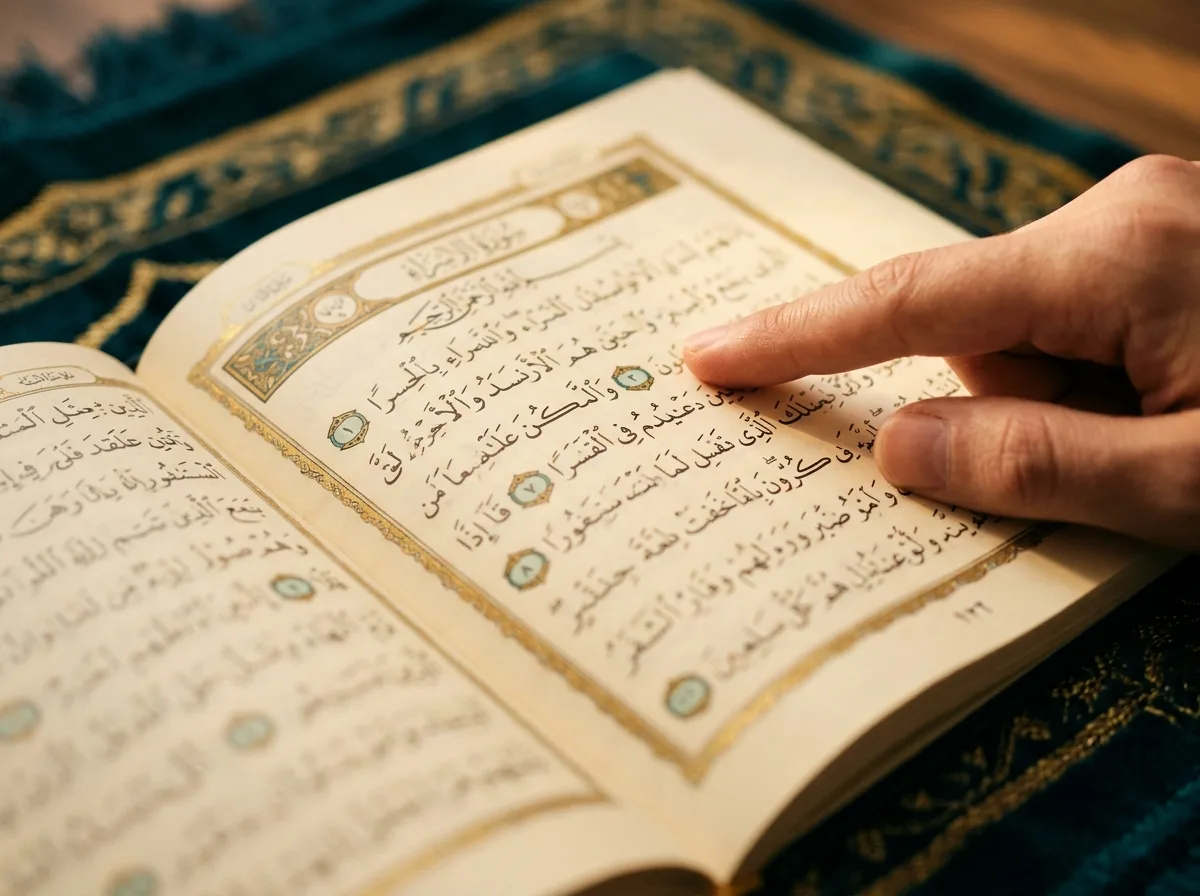 0247 passages · 234 verses · PDFVerses & du‘āsThe 47 Quranic passages and the Prophetic du‘ās — Arabic, transliteration, Sahih International — with a reader and a PDF.Open
  03In the Library · sleep timer · repeatRecordingsPress play and keep browsing — the player follows you to every page and keeps going with the screen locked. All 35 live in the Library, on one page.Open
 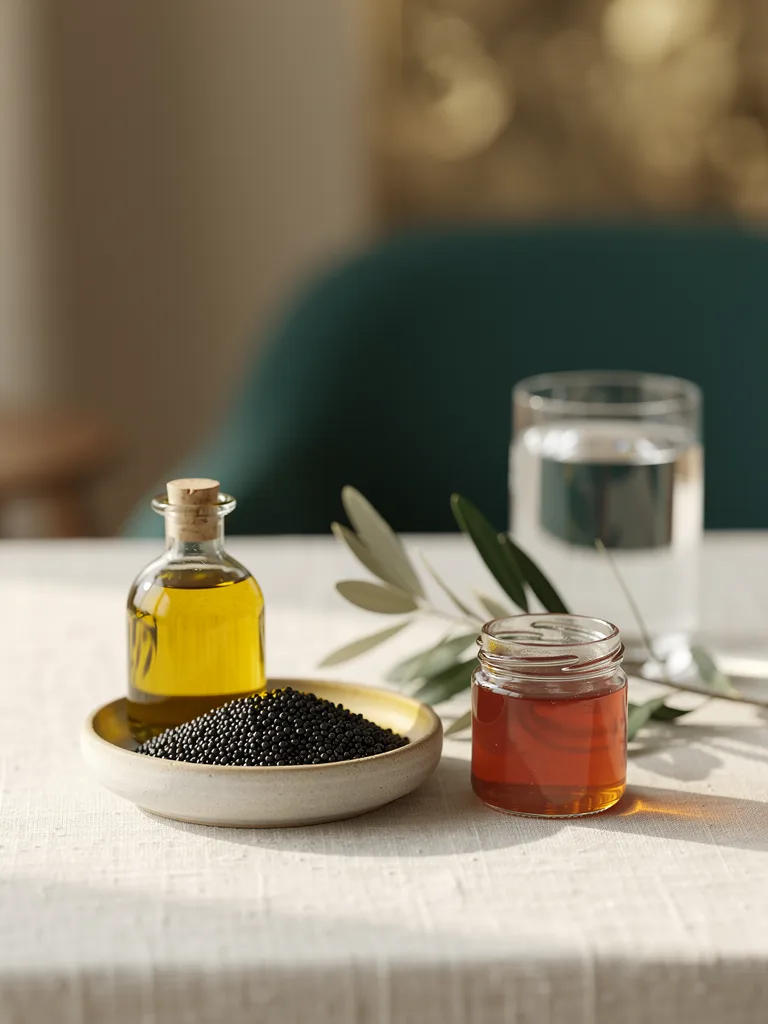 04Step by step · safety firstCuresRecited water, olive oil, black seed, honey, Zamzam, sidr — how each is prepared and used, with the safety notes that matter.Open
  05Daily · tick it offPlans7-day detox, home purification, evil-eye relief — one clear action a day, tracked on your phone.Open
 Questions people ask
Sixanswers,eachwithitsevidence.
No signal
Keep this ready for when there is none.
Not a download — nothing to find, keep or open later. This puts the pages below into your browser so they open at the same addresses with the phone in aeroplane mode. Useful on a plane, in a hospital, in a basement, in ‘umrah season, or anywhere the signal is a rumour.
- Help now
- Your first ruqyah, guided
- The verses and du‘ās
- The routine
- Morning and evening adhkār
- The plans
- The fridge charts
Every recording you actually listen to is kept automatically, so the more you use the site the more of it survives a dead signal. Clearing your browser data removes all of it.
Questions people ask
Before you worry, read these.
The things people ask in the first week — and the honest answers.
Feeling nothing is common and says nothing about whether it helped. Ruqyah is du‘ā; its acceptance is with Allah. Keep it daily for at least a few weeks before judging anything.
Reactions like these are common during ruqyah and are not by themselves a diagnosis of sihr or jinn. Note them (the plans have a place to record reactions), keep going, and if they are strong or frightening, speak to a raqi.
The Quran is recited in Arabic. If you cannot yet, recite what you know, listen to a recording with the meaning in front of you, and make du‘ā in your own language — Allah hears every tongue. Learning the short sūrahs is a good first goal.
Yes. Recite over them as you would over yourself, blow lightly and wipe over them, and give them recited water. For someone who is very unwell, do it daily and consider a consultation. See [reciting over your children](/self-ruqyah/reciting-over-your-children).
Reciting from memory as du‘ā and protection is permitted according to many scholars, and the adhkār are always permitted. There is scholarly difference on touching or reading from a muṣḥaf; ask your local scholar for what to follow. See [reciting during your period](/self-ruqyah/reciting-during-your-period) for the full answer.
No time is mandated — ruqyah may be performed at any hour of any day, and its validity does not depend on when you did it. Some times are better for *you* rather than better in themselves: the last third of the night, when du‘ā is answered and you are undisturbed; before sleep, which already carries Āyat al-Kursī and the three Quls; and morning and evening, where the adhkār sit. Pick a time you will keep and attach it to something that already happens. Where people feel their ruqyah is not working, the record usually shows not the wrong hour but too few days.
It varies. Some people improve within days, most over weeks, some over months, and some cases need a raqi alongside. Steadiness matters more than intensity. If nothing changes after a few weeks of daily ruqyah, book a consultation.
No — it is the Sunnah. The Prophet ﷺ told us to seek treatment. Ruqyah and medicine work together; not every illness is spiritual. See [does seeking treatment contradict trust in Allah?](/understand/taking-the-means-and-tawakkul)