

In short
- 01On storing provision: “leave it in its spikes” (Yūsuf 12:47): grain is preserved by the means that preserve grain.
- 02The Prophet ﷺ went into battle wearing two coats of mail, and he consulted two physicians when treatment was needed.
- 03Allah alone is the Healer
In this article
The objection
It is an old worry, and people still feel it today: if I take medicine, see a doctor, or ask for ruqyah, am I showing a lack of trust in Allah?
Ibn al-Jawzi answers it from personal experience in his book Ṣayd al-Khāṭir. A situation befell him in which he turned to Allah alone with his heart, knowing that none can bring benefit or ward off harm but Him, and then he got up and took the practical means available to him. Someone rebuked him: “This undermines tawakkul!”
Ibn al-Jawzi’s reply: the Sharī‘ah itself works through means
Not at all, he replied: Allah Himself built the world on means and commanded us to use them, while our hearts rely on Him alone. The proofs come from the Quran and the Prophet’s own practice:
- In the prayer of fear, Allah commands the praying company to keep hold of their weapons: “When you are among them and lead them in prayer, let a group of them stand with you, and let them take their arms” (al-Nisā’ 4:102). Trust in Allah did not cancel armour.
- On storing provision: “leave it in its spikes” (Yūsuf 12:47): grain is preserved by the means that preserve grain.
- The Prophet ﷺ went into battle wearing two coats of mail, and he consulted two physicians when treatment was needed.
- Returning from al-Ta’if, unable to enter Makkah, he sent to al-Muṭ‘im ibn ‘Adiyy and entered under his protection, though he could have entered “relying on Allah” without any means. If the Sharī‘ah ties outcomes to means, then abandoning the means pushes away Allah’s own wisdom.
In the heart — reliance
- Allah alone is the Healer
- The outcome is His, not the remedy’s
- Ask Him, not the means
- This is where tawakkul lives
In the hands — the means
- Take the medicine
- Keep the appointment
- Recite over yourself
- Tie the camel
Medicine is recommended
Ibn al-Jawzi says he holds seeking treatment to be recommended, and that the evidence stopped him following those (even in his own school) who preferred leaving treatment. The Prophet ﷺ said: “Allah has not sent down a disease without sending down a cure for it — so seek treatment”, and a command in the Sunnah means the matter is at least encouraged. ‘A’ishah said: “I learned medicine from the many illnesses of Allah’s Messenger ﷺ and what was prescribed for him.” And he ﷺ said to ‘Alī, over a choice of food during his recovery: “Eat of this, for it suits you better than that.”
The fatwa bodies put it more strongly than “permitted”. There is no objection whatever to combining ruqyah with treatment at the hands of doctors, and doing so is recommended, with the heart attached to Allah alone, believing that He is the Healer and the Benefactor.
The evidence is the same as above: the command to seek treatment, the physicians the Prophet ﷺ consulted, and a household in which medicine was practised around the best of creation. And taking the means is not the opposite of trust; that is the argument of this page.
Four sentences you will hear
Anybody moving in this space will meet these, and it helps to have the reply ready rather than to find it afterwards.
What is true
What is true
What is true
What is true
The asymmetry decides all four. If a remedy helps, it will still help while you are also taking your medicine. If the medicine is doing the work, stopping it costs you everything it was doing.
The seventy thousand who “do not seek ruqyah”
Those who prefer abandoning treatment cite the hadith of the seventy thousand who enter Paradise without account, described as those who “do not use cautery, do not seek ruqyah, do not draw omens, and rely upon their Lord.” Ibn al-Jawzi explains: this does not negate seeking treatment. In that time there were people who used cautery before any illness, to pre-empt sickness, and sought ruqyah before any affliction — placing their reliance in the means themselves. That is what the hadith praises leaving. The Prophet ﷺ himself cauterised Sa‘d ibn Zurārah when illness called for it, and expressly permitted ruqyah in the authentic hadith. (The same explanation is given at length in a practitioner treatise on the seventy-thousand hadith, They seek ruqyah and rely on their Lord.)
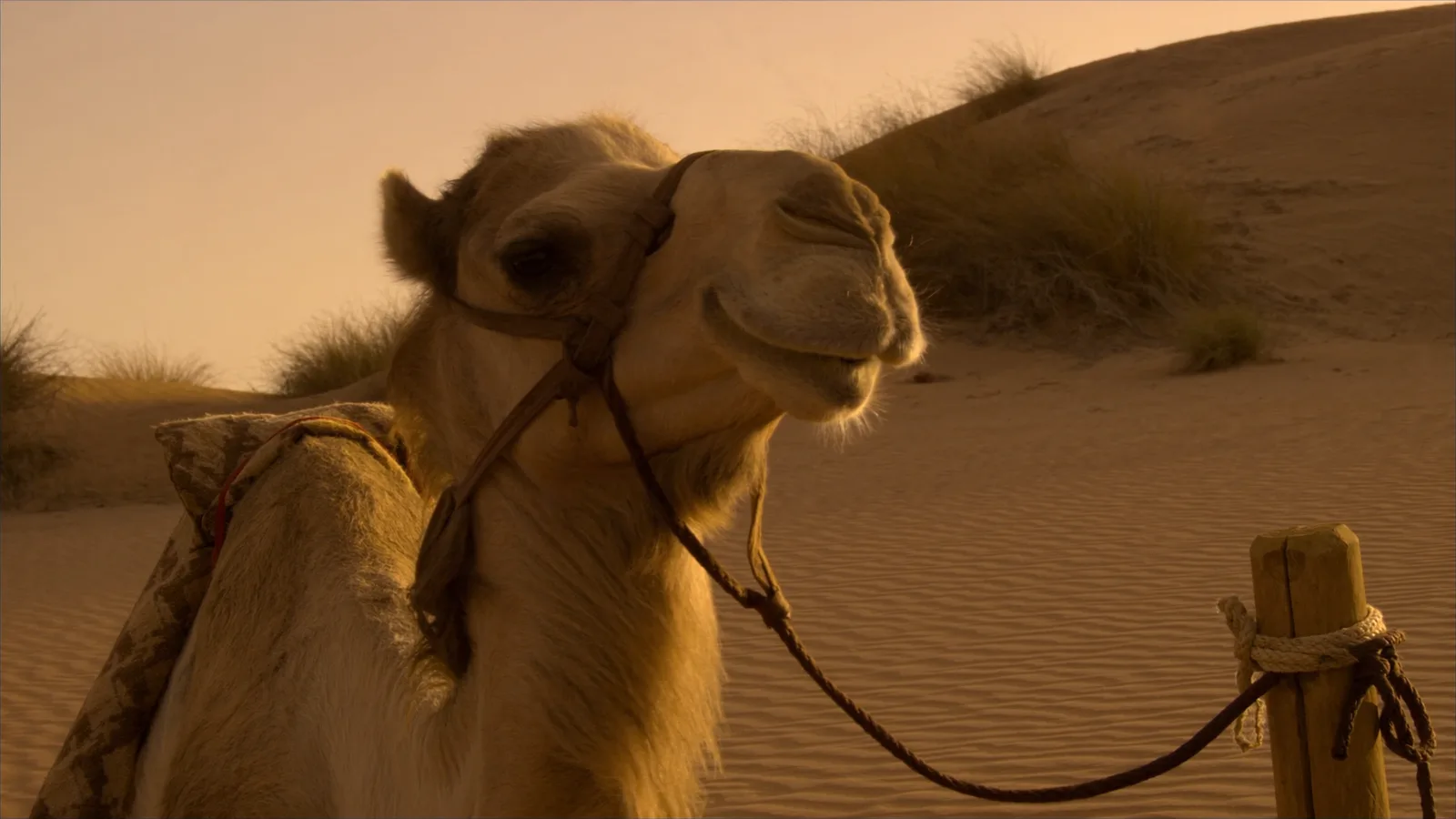
“Tie your camel and trust in Allah”
Ibn al-Jawzi finishes with plain examples. If your constitution needs a laxative, knowledge tells you what helps and what harms — so drink what suits you and say “O Allah, grant me wellbeing”. Do not be like the man whose crop is separated from the stream by a handful of earth, who is too lazy to lift it away with his hand, and then stands to pray the rain-prayer. Or like the one who sets out across the desert with no provision “testing” whether his Lord will feed him, when Allah has already commanded: “and take provision” (al-Baqarah 2:197); such a man destroys himself before hardship ever finds him; and if the time of prayer comes and he carried no water, he is blamed for his own neglect.
Beware, he warns, of those who split hairs until they tear through the fabric of the religion, imagining that perfection in faith means abandoning the natural order Allah set. Sound tawakkul lives in the heart while the hands work the means.
Why this matters for ruqyah
The site is built on this balance: take every lawful means (doctors and medicine first for the body, ruqyah and adhkār for protection and treatment by Allah’s permission) and let your heart rely on none of them, but on Allah who created the means and their outcomes.
Two pages carry the practical weight of this one: the cost of delay, and what psychiatry finds, the evidence behind the medical-first rule we repeat everywhere.
Medical first, alongside ruqyah — nothing here replaces a doctor’s care.
Sources
- Ibn al-Jawzi, Ṣayd al-Khāṭir
- Sahih al-Bukhari; Sahih Muslim (hadiths as cited)
Ten protections against mass — the du‘ās and the habits behind them
Protection from mass is a set of prophetic habits, ten of them, each resting on a hadith.
Read