




In this article
In short
- 01The alphabetical volume in circulation is Muntakhab al-Kalām fī Tafsīr al-Aḥlām, by al-Kharkūshī, who died roughly three centuries after Ibn Sirin.
- 02The borrowed name is what lends its verdicts their force, and a person consulting it at two in the morning is entitled to know that.
- 03A book that assigns one meaning to each symbol is doing the thing the discipline says cannot be done, whoever its author turns out to be.
- 04If you own a copy there is no need to destroy it. There is a need to stop consulting it at night.
The book people own
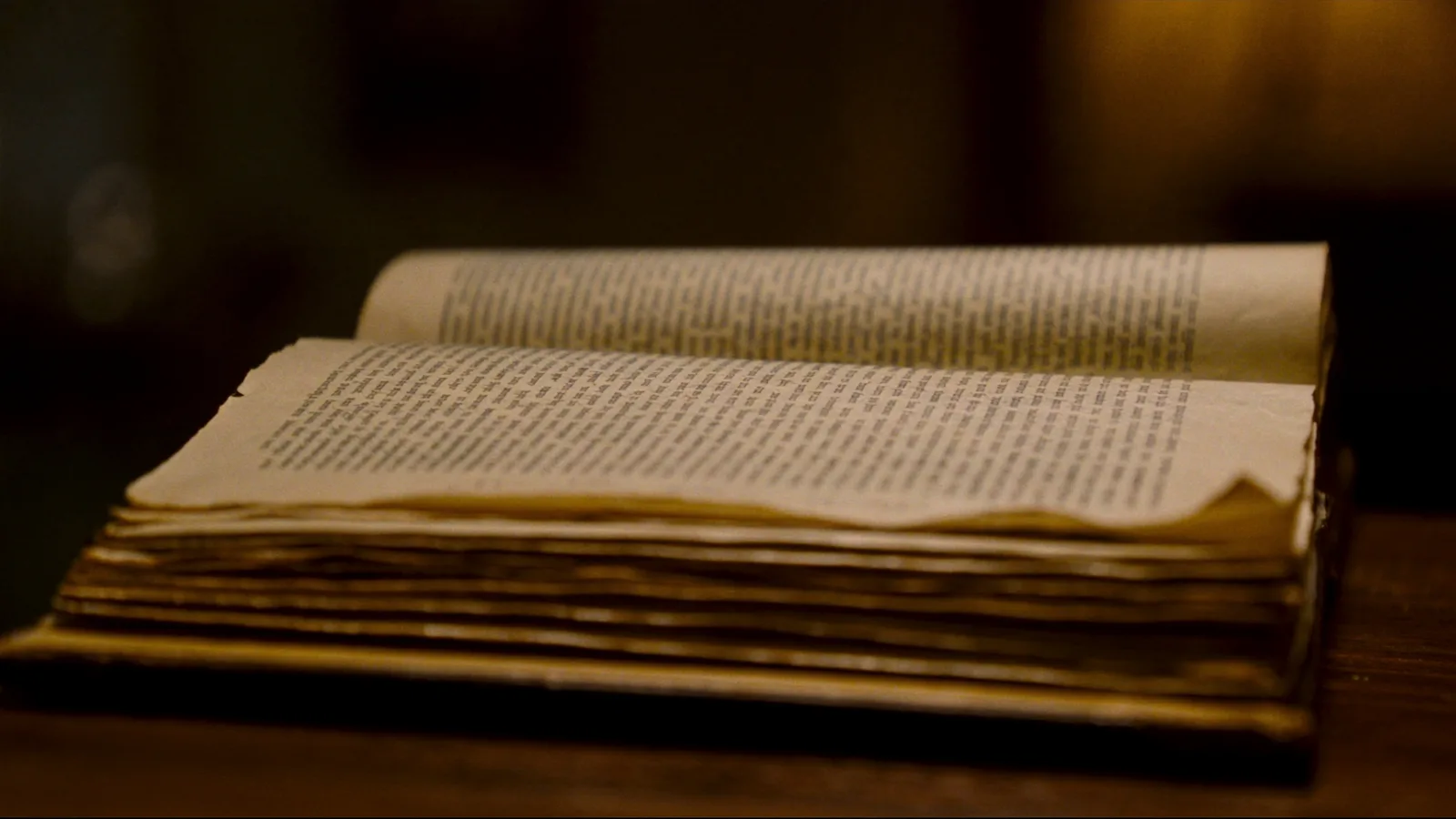
It is thick, alphabetical, and available everywhere: Ibn Sirin’s Dictionary of Dream Interpretation. Look up a snake, a fish, a tooth falling out, and it will tell you what the dream means.
What is true
Muhammad ibn Sirin did not write it. The alphabetical volume in circulation is Muntakhab al-Kalām fī Tafsīr al-Aḥlām, and it belongs to the Shāfi‘ī jurist and preacher Abū Sa‘d al-Wā‘iẓ al-Kharkūshī al-Naysābūrī, who died in 407 of the Hijrah, roughly three centuries after Ibn Sirin. His name does not appear on the cover, because Ibn Sirin’s name is what sells the book.
Bibliographic answer, fatwa 25645
What the bibliographers record
Ibn Sirin was a Successor, of the generation after the Companions, and he was known for interpreting dreams; Ibn al-Nadīm records a work on interpretation attributed to him.
The book people buy is not that work.
Why the attribution matters
Because of the use the book is put to. A frightened person opens it at two in the morning, finds the entry, and receives a meaning delivered with the authority of a great early figure. That authority is doing the work; the same sentence in a paperback by an unknown author would carry a fraction of the weight.
There is a further problem, and it is larger than the attribution. As the previous pages set out, Ibn ‘Uthaymīn holds that there are no fixed rules in interpretation, because identical images mean different things for different people in different circumstances. A book that assigns one meaning to each symbol is doing the thing the discipline says cannot be done, whoever its author turns out to be.
Al-Kharkūshī was no fraud
He was a jurist and a preacher, his book is a real work of its period, and the interpretation literature is a genuine genre with serious figures in it.
A book is sold under a name that is not its author’s, the borrowed name is what lends its verdicts their force, and a person consulting it in the middle of the night is entitled to know that.
If you own a copy there is no need to destroy it. There is a need to stop consulting it at night. The response to a dream that frightened you is set out on another page of this site, it takes about fifteen seconds, and it does not require anybody to know what a snake means.
Medical first, alongside ruqyah — nothing here replaces a doctor’s care.
Sources
- Fatwa 25645 — https://www.islamweb.net/ar/fatwa/25645/
- Shamela — Ibn Sirin — https://shamela.ws/author/331

Dreams of the dead, and dreams of the Prophet ﷺ
Two categories of dream that carry great weight with people, and two places where that weight is used against them.
Read