

In this article
In short
- 01Ibn Bāz holds that there is no Sharī‘ah basis for fumigating a patient, and that the obligation is to leave it.
- 02Ruqyah is among the best-documented practices there is. Had fumigation belonged to it, it would be there.
- 03A practice you cannot do at home, for nothing, fails the test this site runs throughout.
- 04If you have burned incense yourself believing it part of the treatment, you have not committed shirk by lighting something. Stop doing it, and recite.
What the scholars say
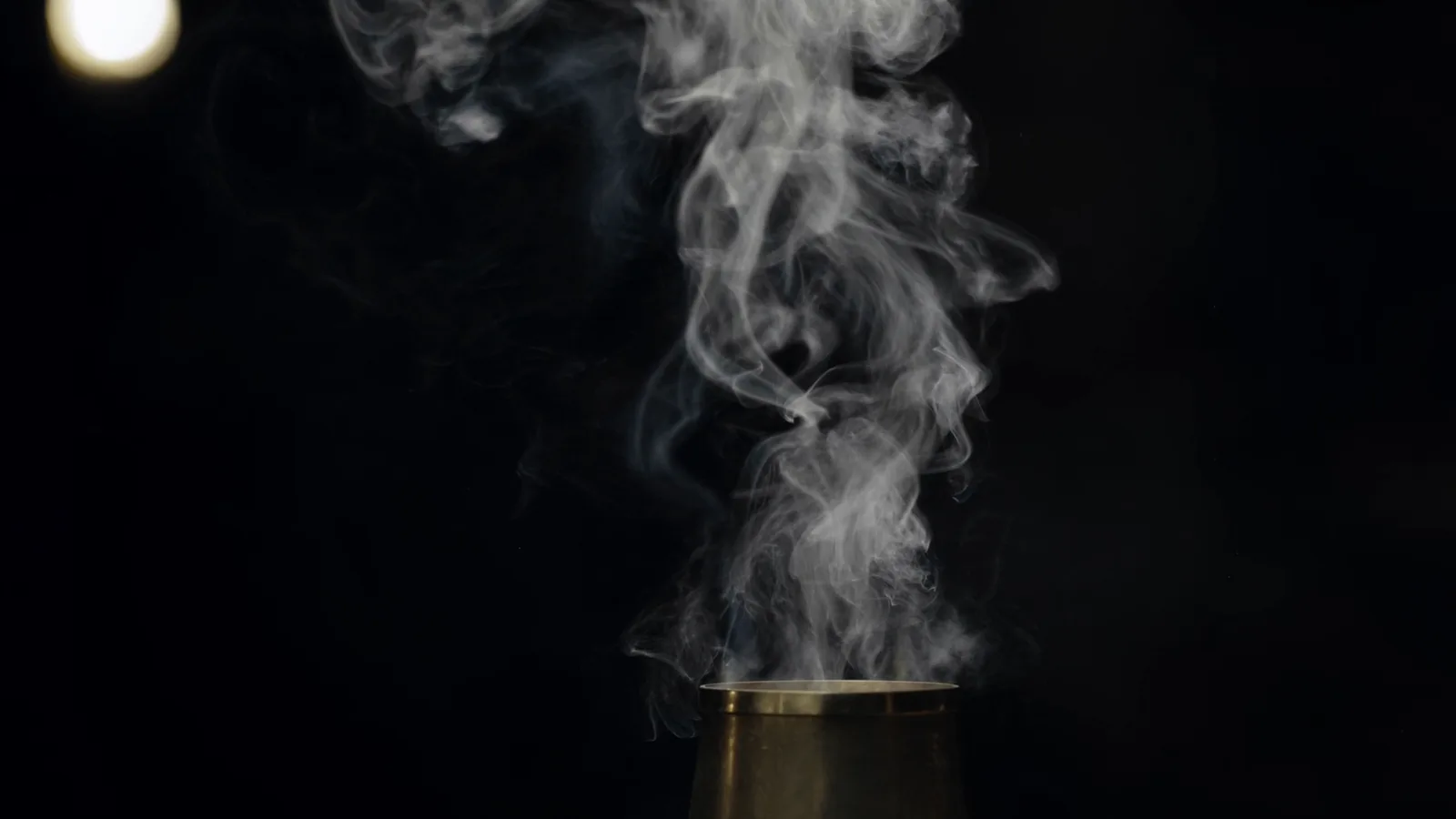
Walk into a ruqyah session in a great many places and the first thing you meet is the smell — incense burning, sometimes the patient told to breathe it in, sometimes the room filled with it before anybody recites.
The scholars asked about it are not gentle. Ibn Bāz holds that there is no Sharī‘ah basis for fumigating a patient and that the obligation is to leave it, being among the superstitions that have no root. Another of the fatwa bodies goes further still, placing the use of incense in ruqyah among the rituals of the charlatans.
The argument
It is a strong argument from silence.
The Prophet ﷺ performed ruqyah, was recited over, and taught his Companions to do it. They treated the sick at length, with knowledge of their people and every desire to benefit them. Not one of them is reported to have burned anything for it, and this is not an absence of evidence in some corner of the tradition nobody wrote about. Ruqyah is among the best-documented practices there is. Had fumigation belonged to it, it would be there.
- It creates atmosphereSmoke, dim light and smell change how a room feels, and a room that feels charged makes what happens in it feel significant, which is theatre, and theatre is what the sources warn produces false cases.
- It is something only the practitioner hasA practice requiring a particular incense burned in a particular way is a practice you cannot do at home, so the test this site runs throughout (could you do it yourself, for nothing) comes back no.
One practitioner’s caution on dose
Our page on herbs alongside ruqyah records one practitioner’s caution that fumigation, in excess, harms the patient more than the jinn. That is a note on dose from his practice, not a ruling. The fatwas above govern: experience is worth having, and it is never a ruling.
If a practitioner reaches for it
You are not obliged to make a scene, but you may say you would rather not, and a practitioner who cannot proceed without it has told you something about his method.
And if you have burned incense yourself believing it part of the treatment, nothing bad has happened to you. You have not committed shirk by lighting something. Stop doing it, and recite.
Medical first, alongside ruqyah — nothing here replaces a doctor’s care.
Sources
- binbaz 20173 — https://binbaz.org.sa/fatwas/20173/
- Fatwa 130639 — https://www.islamweb.net/ar/fatwa/130639/
- Fatwa 146715 — https://www.islamweb.net/amp/ar/fatwa/146715/
Whether sihr and possession pause in Ramadan
People expect relief for the month and are quietly disappointed every year. The expectation was never right.
Read